Hurricane Katrina 20 Years Later: How New Orleans Transformed After Devastating Storm
Highlights
- Hurricane Katrina caused over $125 billion in damage and nearly 1,400 deaths when it struck on August 29, 2005
- The federal government invested $15 billion in a new Hurricane and Storm Damage Risk Reduction System with 150 miles of improved levees
- New Orleans population remains 100,000 people below pre-Katrina levels, down from 484,674 in 2000 to around 364,000 today
- City commemorates anniversary with exhibitions, panels, and community events throughout August 2025
- Post-Katrina recovery introduced an innovative "living with water" approach and green infrastructure projects
Hurricane Katrina: 20 Years Later - New Orleans' Transformation
Twenty years after Hurricane Katrina devastated New Orleans, the city has invested $15 billion in flood protection while still rebuilding its population and communities.
NEW ORLEANS, La. (KPEL News) — Twenty years after Hurricane Katrina forever changed the Crescent City, New Orleans stands as both a symbol of resilience and ongoing recovery, with massive infrastructure improvements protecting a smaller but determined population.
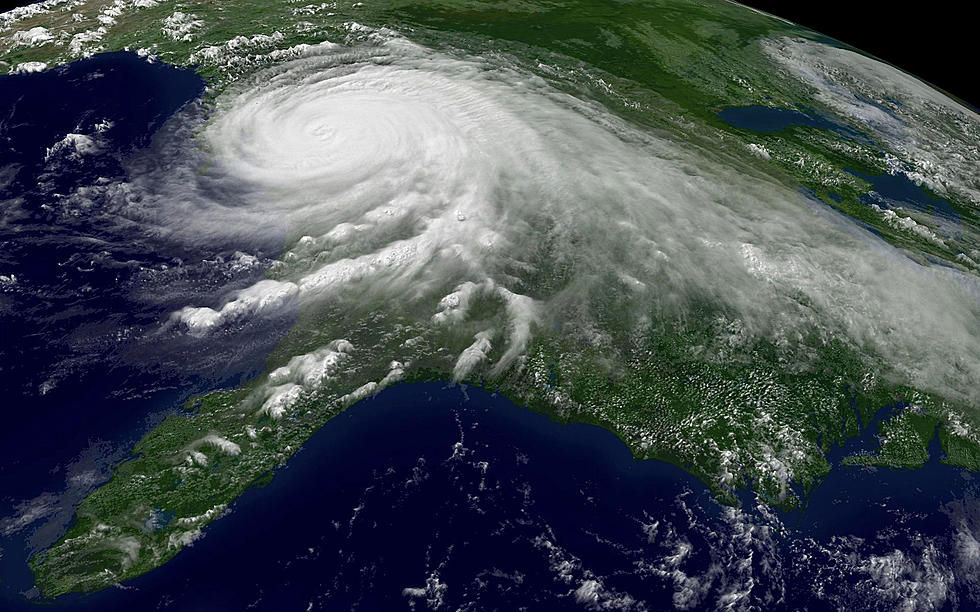
Hurricane Katrina struck the Gulf Coast on August 29, 2005, as a Category 5 storm that devastated the New Orleans metropolitan area, destroying or severely damaging more than a million homes, displacing over 1 million people, and causing at least 986 deaths in Louisiana alone.
READ MORE: How the Government Turned the Katrina Disaster into Catastrophe
The storm exposed critical infrastructure failures when levee breaches along the 17th Street Canal, London Avenue Canal, and Industrial Canal flooded approximately 80% of the city.

What New Orleans Looks Like Today
The physical transformation of New Orleans represents one of the most ambitious flood protection projects in American history. The federal government constructed a nearly $15 billion Hurricane and Storm Damage Risk Reduction System, featuring 150 miles of improved levees, flood walls, and gates designed to provide enhanced protection against storm surge.
Key improvements include the $1.3 billion Lake Borgne Storm Surge Barrier, spanning 1.8 miles and serving as the largest design-build civil works construction project in history, according to the Corps of Engineers. The city also implemented innovative drainage solutions, with pumping stations capable of moving 24,300 cubic feet of water per second during tropical events.

Beyond flood protection, New Orleans embraced a "living with water" philosophy inspired by Dutch flood management, incorporating green infrastructure projects that serve as both flood storage areas and beautiful, liveable neighborhoods with bike-friendly areas and new parks.
Population and Community Changes
The human cost of Katrina continues to shape New Orleans' demographics. The 2020 census shows New Orleans' population remains down 100,000 people from the 484,674 who lived there in April 2000, with current estimates around 364,000 residents.
Recovery has been uneven, with communities of color facing greater challenges returning due to systemic inequities, chronic underinvestment, racial segregation, and wealth inequality that pushed disproportionate numbers of Black residents into areas with crumbling infrastructure and greater environmental hazards.
The controversial Road Home program, intended to help residents rebuild, provided more than $9 billion to over 130,000 Louisiana residents but later pursued collections from thousands of homeowners for alleged overpayments, creating additional financial hardship that wasn't resolved until early 2025.
Looking Forward
As the city marks this significant anniversary, New Orleans is hosting numerous commemorative events throughout August 2025, including exhibitions at the Ogden Museum of Southern Art, panel discussions featuring local journalists who covered the storm, and community gatherings focusing on resilience and future planning.
The anniversary serves as both a remembrance and a planning opportunity, with local leaders using tools to mitigate future disaster risks for the most vulnerable communities while building on the strength and flexibility of social, economic, and ecosystems working together.
Twenty years later, New Orleans embodies the complex reality of disaster recovery—a city that has invested billions in protection, embraced innovative approaches to living with water, but continues working to ensure all residents benefit from the rebuilding efforts that followed one of America's most devastating natural disasters.
Here's a look at New Orleans today — and how people are celebrating their beloved city 20 years after the devastating storm.
Hurricane Katrina: 20 Years Later
Gallery Credit: Joe Cunningham

More From 97.3 The Dawg