
Post Office: Be Alert For Dangerous Deliveries in Louisiana
(KMDL-FM) The United States Postal Service is warning Louisiana postal patrons of a threat to their homes and families that could be hiding in plain sight on the front porch. As more and more of us have packages delivered to our homes, especially with the holiday season approaching, the need for caution is on the increase.
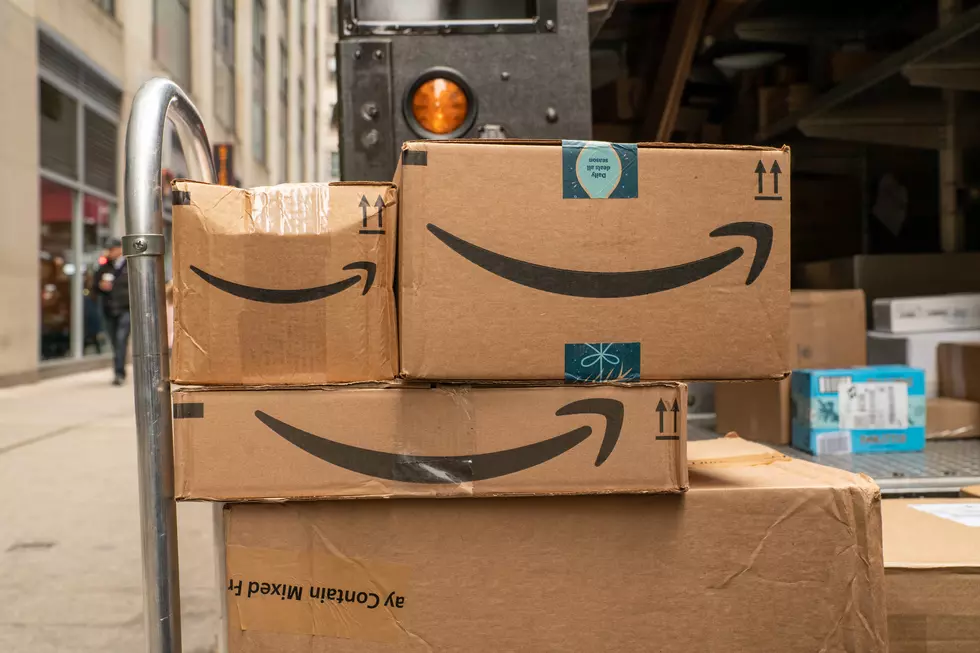
As you might expect, the danger the Post Office wants us to acknowledge and understand comes from those who may not necessarily be interested in the packages you purchase, but more so in the way you purchase those packages. Yeah, the bad guys have figured out a very clever way to connect those packages on your porch to your credit card numbers online.

READ MORE: When Will Mail Service Stop Because of Government Shutdown?
READ MORE: Shocking - Postal Service Announces New Rates for 2026
I Received a Package I Didn't Order. What Should I Do?
The "scam" starts innocently enough. It usually shows up in the form of a package from a reputable retailer addressed to someone at your home's address. Once the package is opened, the recipient will realize they did not order the merchandise that was contained in the package.
The scam works in two different ways from this point. One, the scammers will use the fact that a package was delivered to your address to write a fake online review. This gives the scammers "verified purchase" status for their own products, which helps them sell more.
QR Code on Unexpected Package? Here's the Danger
A variation on the scam is when the scammers include a QR code along with the unrequested item. The instructions are quite simple, and it's easy to see why people would fall for it. The instructions on the QR Code tell the recipient to scan the code if they have an issue with the product. Naturally, an honest person will scan the code to report the fact that they did not order it.

But once the code has been scanned into their device, it can now perform malicious operations, often unknown to the device's owner, that could be used to gain financial or other important personal details.
The scam practice is known as "brushing," and if you've been sent unsolicited packages to your home or business address in Louisiana, you are being "courted" to become a victim. Don't fall for it. If you get something you didn't order, use it if it's useful, toss it if it's not. And no matter what, don't scan any QR Codes on packages that you know you did not order.
Scam Warning: Never Answer These Area Codes
Gallery Credit: Nick Northern
More From 97.3 The Dawg